Before the Game Begins
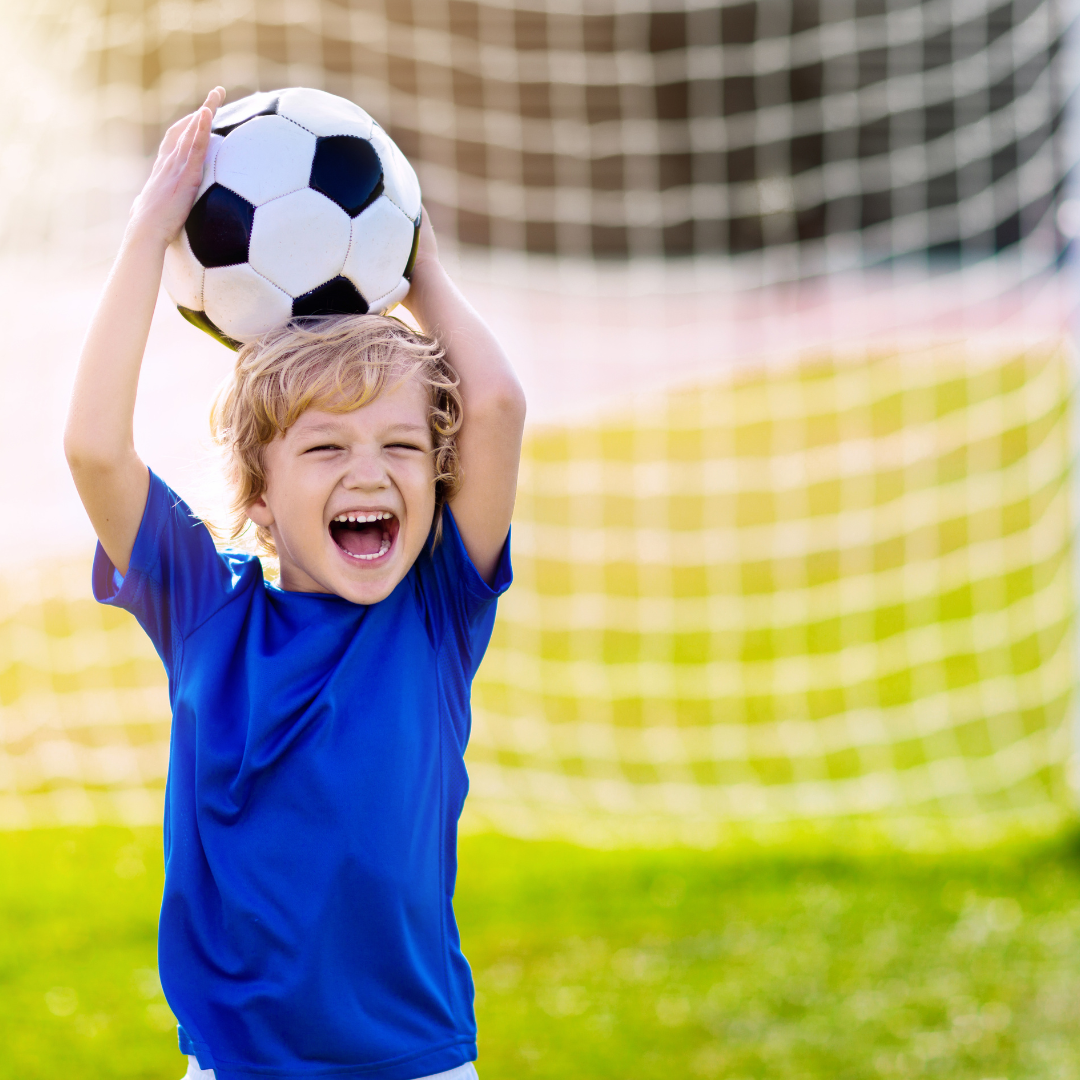
We place a high value on sports in America. Most of us have seen it firsthand. The early morning games, the weekend tournaments, and the packed gyms full of parents cheering like it is the final four. We jumped on that bandwagon too, signing our kids up for pee wee sports at four years old. Like most parents, we assumed that starting early and providing more opportunities would naturally lead to better outcomes.
If you have ever attended a youth basketball tournament, though, it becomes clear that many parents believe their child is the exception. The one who will beat the odds and go on to play Division 1 sports. Statistically, that is a long shot. Less than 2 percent of student athletes ever reach that level. Given those odds, I often find myself wondering what would happen if we placed the same level of energy and expectation on academic achievement. But I digress.
As someone who felt like an athletic accident as a child, my hope for my own kids was simple. I wanted them to feel coordinated and confident in their bodies. I wanted them to fit into what we tend to think of as the “normal” path to success. Like most people, I assumed the formula was straightforward: start early and do more. What I did not understand at the time is that this only works if the foundation is already in place.
For children who have missed important early developmental movement experiences, jumping into organized sports can feel a lot like putting a four-year-old into a calculus class. They might try, they might even keep up for a while, but something underneath is not fully developed. That is what the PQ Initiative is trying to bring into focus. As a society, we need to rethink what is considered normal and take a closer look at what actually needs to happen, and when, to help children feel competent and confident in their bodies.
The national physical activity guidelines give us part of the picture, but they start at age three. What they do not fully capture is that the most important window for movement happens before that. In the first three years of life, children are building the neurological foundation that will determine how they move, how they process information, and how much control they feel over their bodies. Time spent on the stomach, rolling, crawling, and reaching are not just milestones to check off. They are the building blocks for coordination, body awareness, and sensory processing.
When those foundations are in place, everything else becomes easier. Children are more likely to feel in control of their bodies, and that sense of control is closely tied to confidence. When kids feel confident, they are more willing to move, try new activities, and stay engaged over time. These early movement experiences do not just influence sports performance. They also shape how children pay attention, take in information, and respond to their environment. In other words, movement is doing far more than building muscles. It is helping organize the brain.
For parents and caregivers, this means thinking beyond organized sports and making sure children have opportunities to develop these foundational movement patterns. Activities like tumbling, dance, yoga, or martial arts can support cross-body coordination and balance in ways that traditional sports often assume are already there. For educators, it means finding ways to incorporate movement into the classroom, even if it feels unfamiliar. Just as children benefit from these experiences, adults do as well.
Even though the most critical window for brain development occurs early, it never fully closes. Our brains are constantly adapting, for better or worse. Movement throughout the lifespan plays a key role in how well they continue to do that.
Join the Movement
updates, activities, and info.