Before We Teach Children to Read
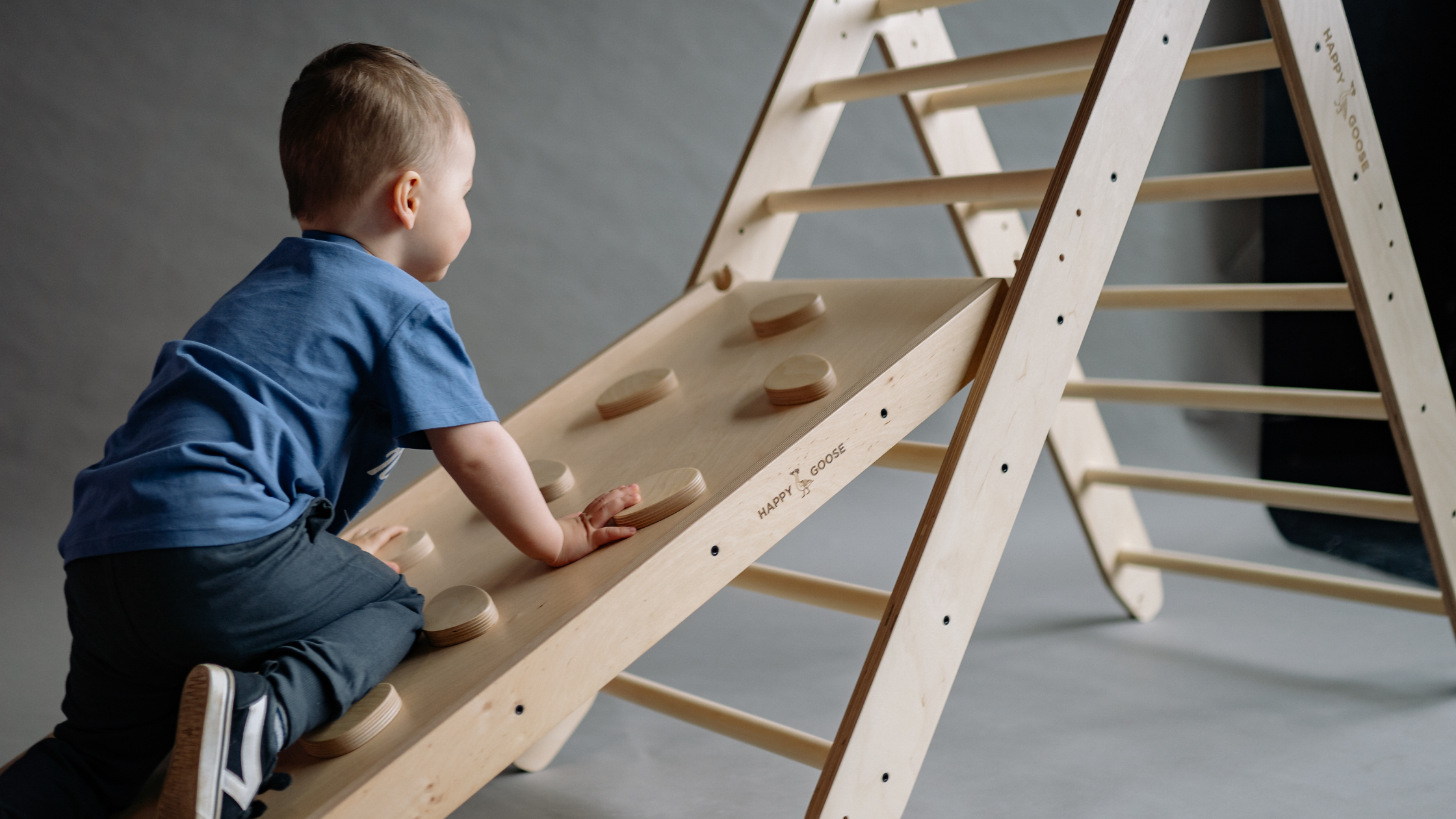
The overlooked connection between movement, learning, and human potential
Kids are naturally wired to crawl, run, jump, play and dance. We tend to think of these activities as ways children develop strength, balance, and coordination. Many parents celebrate these milestones because they signal healthy growth and perhaps hint at future athletic ability. There is more going on than hand-eye coordination, however, and it is more connected to academic rather than athletic performance.
Movement Builds the Learning Brain
For decades, researchers have understood that motor development and cognitive development share common pathways in the developing brain. The cerebellum, located at the base of the brain and long associated with movement and balance, contributes to learning and executive function. Likewise, the frontal lobe or prefrontal cortex, the brain region responsible for planning, attention, and decision making, is active during purposeful movement.
Intentional, goal-directed movement helps build the neural circuitry that supports learning.
More than Muscles & Coordination
This connection should change the way we think about early childhood development. Most of us think about movement because it helps children develop fine and gross motor skills. We celebrate crawling because it leads to walking. We encourage climbing because it demonstrates strength and coordination. We applaud the dance recital as the result of all those hours of practice. Those things are wonderful and worth celebrating, but that is only part of the story.
When a child learns a dance, navigates an obstacle course, or figures out how to tie their shoes, far more is happening than fine and gross motor skill development. Through these activities, the child is planning, remembering, adjusting, sequencing, paying attention, and solving problems. Every movement requires the brain to organize information for the body to respond as desired.
As those movements become more fluid through repetition, the neural networks responsible for planning, organization, and self-regulation become stronger and more efficient.
Why Movement Matters
Kids move to learn. That means they must first learn to move. The first three years of life represent the most rapid period of brain development a child will ever experience. During that same period, movement is the primary way children interact with their environment. They reach. Roll. Crawl. Stand. Walk. Climb. Explore. Every one of those experiences is teaching the brain something about the world and the body that interacts with it.
As parents, educators and policymakers we need to prioritize movement because it builds healthy brains, not just future athletes.
Lagging Policy
The Head Start program has recognized this relationship for years through its I Am Moving, I Am Learning curriculum. It acknowledges that movement is an essential part of healthy development. Yet our broader culture continues to separate physical development from cognitive development, as though one happens in the body and the other happens in the brain through separate mechanisms.
With everything we know about early brain development, you might expect movement to occupy a central place in guidance for all parents. That is why I am frustrated that the U.S. Physical Activity Guidelines provide no recommendations for children under three years of age.
Setting a Stronger Foundation, Earlier
Parents are told to read to their children, sing to them, and talk to them, which are all important. Why isn’t movement receiving the same amount (or more) attention in parent education? And not just because movement creates healthier children. But, because movement helps create children who are better able to learn, pay attention, solve problems, regulate emotions, and eventually become more capable adults.
Once we understand that movement helps organize the developing brain, it becomes one of the earliest opportunities we have to shape human potential. Long before children recognize letters or sound out words, they must build the neural foundations that make learning possible. Before we teach children to read, we should make sure they have every opportunity to move.
Thank you for your interest. Follow more of my work on Substack at The Tao te Mitchy, PQ Initiative, and Divergent Ideas.
References
Diamond, A. (2000). Close interrelation of motor development and cognitive development and of the cerebellum and prefrontal cortex. Child development, 71(1), 44-56.
Diamond, A. (2015). Effects of physical exercise on executive functions: going beyond simply moving to moving with thought. Annals of sports medicine and research, 2(1), 1011.
Hannaford, C. (1995). Smart moves: Why learning is not all in your head.
Heineman, K. R., Schendelaar, P., Van den Heuvel, E. R., & Hadders‐Algra, M. (2018). Motor development in infancy is related to cognitive function at 4 years of age. Developmental Medicine & Child Neurology, 60(11), 1149-1155.
Kolb, B., & Gibb, R. (2011). Brain plasticity and behaviour in the developing brain. Journal of the Canadian Academy of Child and Adolescent Psychiatry, 20(4), 265.
Leppo, M. L., Davis, D., & Crim, B. (2000). The basics of exercising the mind and body.
Stevens-Smith, D., (2006). Balancing with the Brain in Mind. Teaching Elementary Physical Education, (September), 28-33.
Join the Movement
updates, activities, and info.